
How Digital Marketing Helps Businesses Grow
The importance of digital marketing has grown significantly as more people use the internet to search for information, discover businesses, compare products, and make purchasing decisions. Today, customers are spending a large portion of their time on search engines, social media platforms, websites, and other digital channels.
For businesses, this means that having a strong online presence is essential. Digital marketing for businesses provides an effective way to reach the right audience, promote products and services, generate leads, build brand awareness, and increase sales.

Unlike many traditional marketing methods, digital marketing allows businesses to target specific audiences and measure campaign performance using real-time data. This makes it easier to understand what works, optimize marketing campaigns, and make better business decisions.
What Is Digital Marketing?
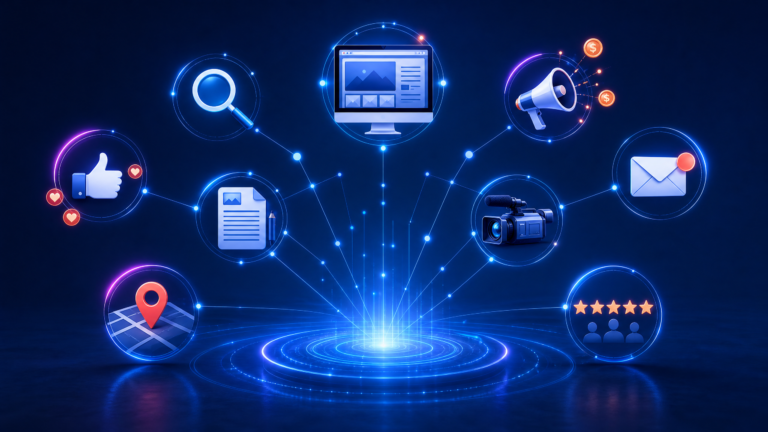
Digital marketing is the process of promoting a business, product, or service through digital platforms and online channels. It includes various strategies that help businesses connect with potential and existing customers through the internet.
Some of the most common digital marketing strategies include:
- Website development and optimization
- Search Engine Optimization (SEO)
- Google Ads and other paid advertising
- Social media marketing
- Content marketing
- Image, video, and audio content creation
- Email marketing
- Local SEO
- Online reputation management
One of the major benefits of digital marketing is its flexibility. Businesses can select the platforms and strategies that best match their target audience, objectives, and budget.
Why Is the Importance of Digital Marketing Growing for Businesses?
The importance of digital marketing for businesses comes from the way modern consumers interact with brands. Before purchasing a product or service, customers often search online, read reviews, visit websites, watch videos, or check social media profiles.
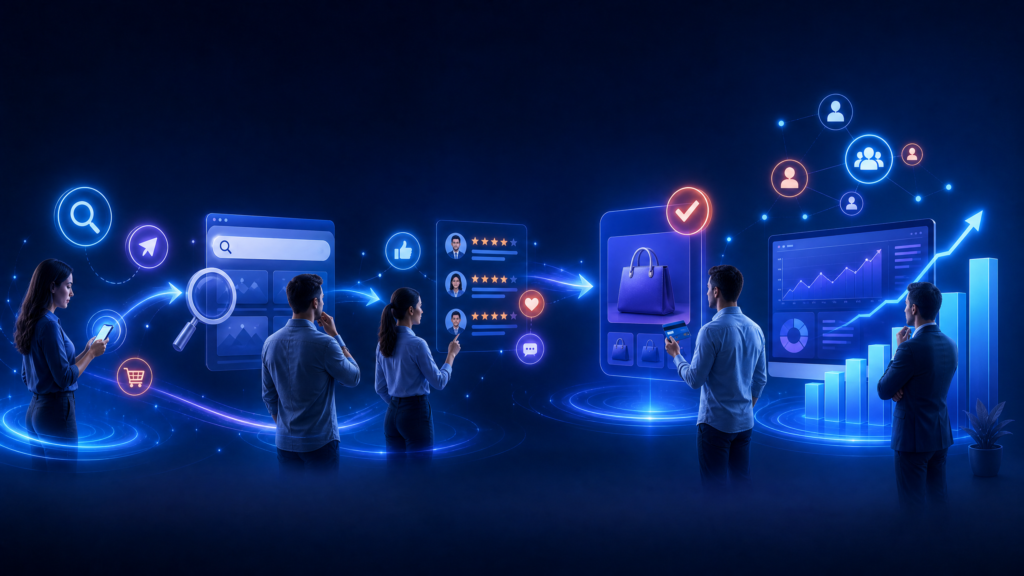
If your business does not have a strong online presence, potential customers may find your competitors instead.
Digital marketing helps businesses:
- Reach a larger and more relevant audience
- Build brand awareness
- Generate leads and enquiries
- Increase website traffic
- Improve customer engagement
- Promote products and services
- Measure marketing performance
- Understand customer behavior
- Increase conversions and sales
A Website Is the Foundation of Your Online Presence

A professional website acts as the digital identity of a business. It provides potential customers with important information about your company, products, services, contact details, and brand.
A website is particularly important when using SEO and digital marketing campaigns. For example, if someone finds your business through Google search or clicks on a Google or Meta advertisement, they need a relevant webpage where they can learn more and take action.
A well-designed website can help businesses:
- Establish credibility and trust
- Generate enquiries and leads
- Showcase products and services
- Support SEO efforts
- Convert visitors into customers
- Provide information 24/7
For businesses investing in online marketing, a website should not simply look attractive. It should also be fast, mobile-friendly, easy to navigate, search-engine friendly, and designed with clear calls to action.
SEO Provides Long-Term Benefits
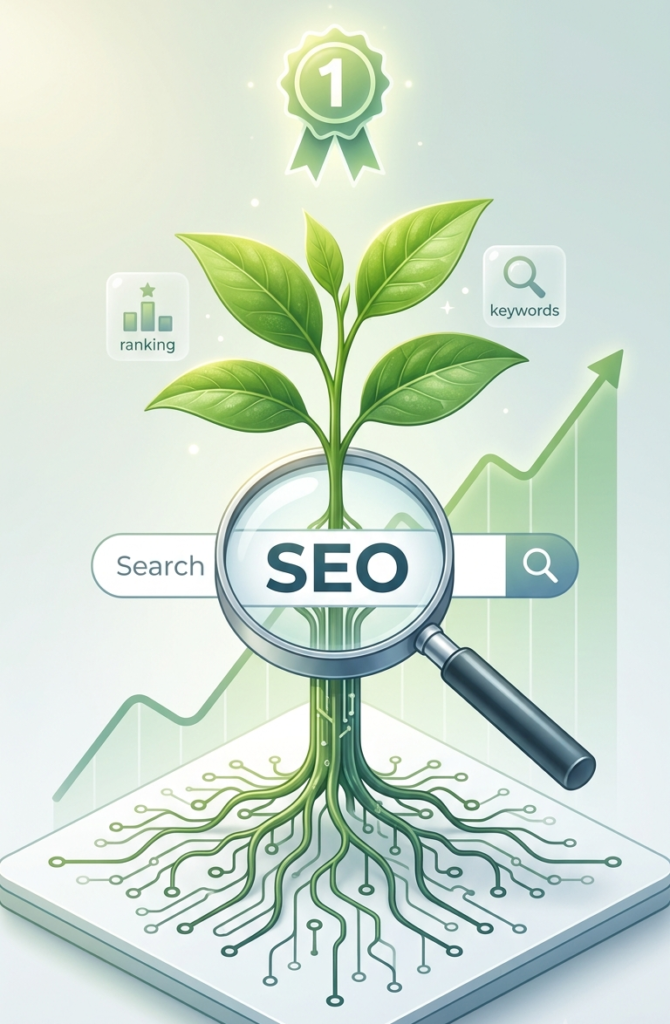
Search Engine Optimization, commonly known as SEO, is one of the most important digital marketing strategies for businesses that want to attract organic traffic from search engines.
SEO involves optimizing a website’s content, structure, technical performance, and authority to improve its visibility in search engine results.
Unlike paid advertising, SEO is not usually an instant strategy. It can take time to research keywords, create useful content, optimize webpages, improve technical SEO, and build website authority.
However, successful SEO can provide long-term benefits. A webpage that ranks well for relevant search terms can continue generating organic traffic without paying for every individual click.
This makes SEO a valuable strategy for businesses looking to build sustainable online visibility.
Paid Advertising Can Generate Faster Results
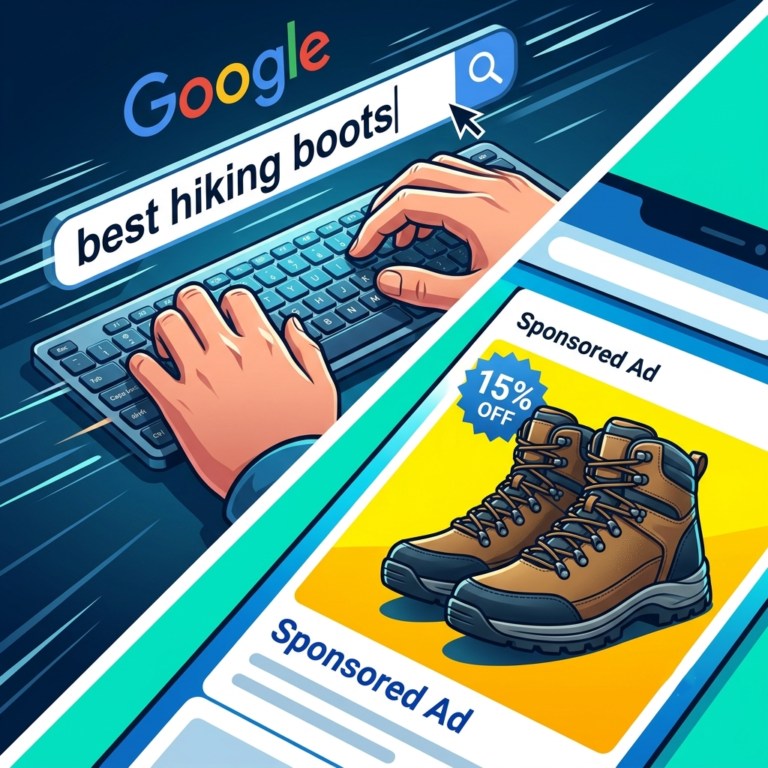
Paid advertising is another important part of digital marketing. Platforms such as Google Ads and Meta Ads allow businesses to reach specific audiences and promote their products or services quickly.
Businesses can target users based on factors such as:
- Location
- Search intent
- Demographics
- Interests
- Online behavior
- Previous interactions with the business
Paid advertising can be useful when a business wants to generate immediate traffic, leads, enquiries, or sales.
However, paid campaigns require a continuous advertising budget. Once the campaign stops, the traffic generated from the advertisements will generally decrease or stop.
Therefore, businesses can benefit from combining paid advertising with long-term strategies such as SEO and content marketing.
Social Media Marketing Helps You Understand Customers
Social media marketing is not only about publishing promotional posts. It can also help businesses understand their target audience.
Platforms such as Instagram, Facebook, LinkedIn, and YouTube provide valuable information about audience engagement and content performance. Comments, messages, shares, likes, views, and other interactions can provide insights into customer interests and preferences.

Businesses can use these insights to create better content, improve their marketing strategies, understand customer needs, and strengthen relationships with their audience.
Consistent social media marketing can also improve brand visibility and keep businesses connected with potential and existing customers.
Content Marketing Builds Trust and Visibility
Content is an important part of modern online marketing. Businesses can create different types of content, including blog articles, videos, images, infographics, guides, and social media posts.
Useful content can help answer customer questions and demonstrate a business’s knowledge and expertise.
For example, a business selling digital marketing services could publish content about SEO, Google Ads, social media marketing, website design, and other relevant topics. This can attract people searching for those solutions and introduce them to the business.
Quality content can support SEO, social media marketing, brand awareness, and lead generation at the same time.

Digital Marketing Is Measurable

One of the biggest advantages of digital marketing is the ability to measure performance.
Businesses can track metrics such as:
- Website traffic
- Search rankings
- Ad clicks
- Cost per click
- Leads
- Conversions
- Social media engagement
- Return on advertising spend
This data allows businesses to identify which marketing activities are producing results and where improvements are needed.
Instead of relying entirely on assumptions, businesses can use marketing data to make more informed decisions.
Digital Marketing Can Be Cost-Effective
Another important digital marketing benefit is the ability to start and scale campaigns according to a business’s budget.
A small business does not necessarily need a huge marketing budget to establish an online presence. It can begin with a website, local SEO, organic social media content, and carefully planned advertising campaigns.
As the business grows, it can expand its digital marketing activities based on performance and available resources.
However, cost-effectiveness does not mean that every digital marketing channel is inexpensive or guaranteed to produce results. Success depends on factors such as strategy, competition, targeting, content quality, website experience, and consistent execution.

Digital Marketing Helps Businesses Stay Competitive
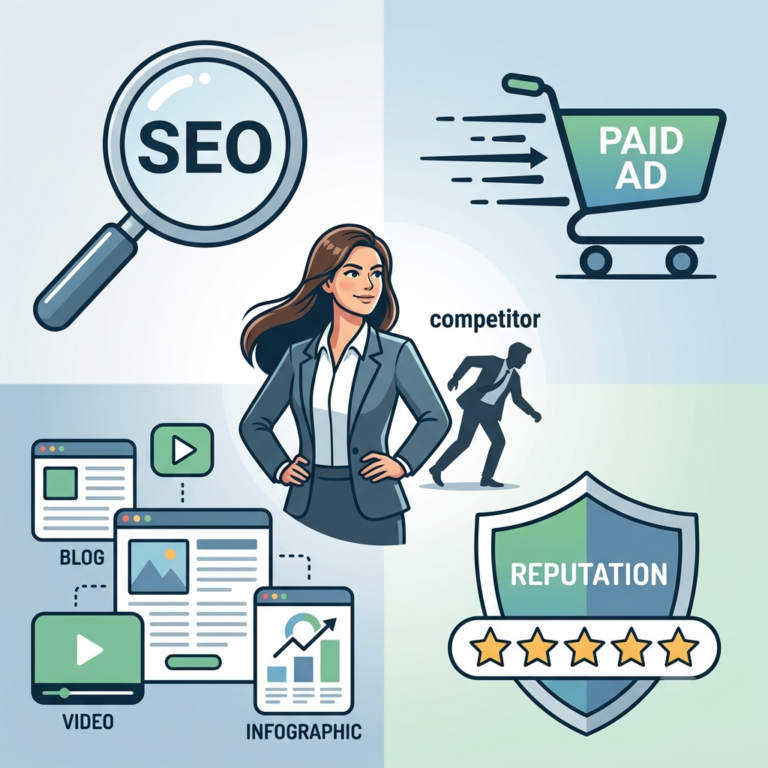
Customers are increasingly using digital channels to discover and evaluate businesses. Companies that actively invest in their online presence can therefore gain an advantage over competitors that have limited digital visibility.
A combination of SEO, paid advertising, social media, content marketing, and a professional website can help a business remain visible throughout different stages of the customer journey—from discovering a brand to making a purchase.
Conclusion
The importance of digital marketing continues to increase as consumer behavior becomes more digital. Businesses need more than just a website or social media account; they need a well-planned strategy that connects different digital channels and supports their overall business goals.
A combination of SEO, paid advertising, social media marketing, content marketing, and a professional website can help businesses reach the right audience, build trust, generate leads, and increase sales.
Digital marketing is not a one-size-fits-all solution. The right strategy depends on the business, target audience, industry, competition, and marketing objectives. By choosing the right channels and consistently measuring their performance, businesses can build a stronger and more sustainable online presence.
Frequently Asked Questions About Digital Marketing
Digital marketing is important because it helps businesses reach potential customers through the online platforms they already use. It can improve brand visibility, generate leads, increase website traffic, and support sales.
The main benefits of digital marketing include targeted audience reach, measurable results, improved brand awareness, customer engagement, lead generation, and the ability to promote products and services within different budgets.
Yes. Digital marketing can be highly useful for small businesses because they can start with cost-effective strategies such as local SEO, organic social media, content marketing, and a professional website before gradually expanding into paid advertising.
SEO focuses on improving a website's organic visibility in search engines and is generally a long-term strategy. Paid advertising involves paying platforms such as Google or Meta to display advertisements and can generate traffic more quickly.
SEO does not have a fixed timeframe. Results can vary depending on the website's current condition, competition, industry, content quality, authority, and the keywords being targeted. In general, SEO should be treated as a long-term strategy rather than an instant marketing solution.
A website provides a central online destination where customers can learn about a business, explore its products or services, and take actions such as making an enquiry or purchase. It also supports SEO, paid advertising, content marketing, and other digital marketing activities.
Social media helps businesses build brand awareness, communicate with customers, distribute content, promote products and services, and understand audience interests through engagement and platform insights.
Digital and traditional marketing both have their advantages. Digital marketing provides detailed targeting, measurable performance, and flexible campaign options, while traditional marketing can still be effective for reaching certain local or offline audiences. The best approach depends on the business and its target customers.
Discover helpful articles, fresh insights, practical tips, and inspiring ideas across a variety of topics. Dive into our blogs and discover your next great read!